
2025 National convening
2025 National Convening: Building on the Momentum in Coal Communities
After years of historic investment, coal communities are exploring new pathways for community-led transition

In October 2025, we hosted our National Convening in Minneapolis, Minnesota, highlighting the longtime transition work underway in the region. Coal leaders and partners came together to tackle urgent questions and share big ideas about how to sustain momentum during a shifting federal landscape; how to build creative, strategic partnerships; and how to grow and scale effective, replicable ideas.
Celebrating a Decade of Progress
This year also marked a milestone for the JTF as we celebrated our ten year anniversary alongside our friends and partners. During the event, we reflected on all of our collective, momentous achievements from the past decade.
Grounding in the progress of the last decade, we looked ahead, exploring how we can continue building economic resilience in coal-impacted communities—together, and in any landscape.
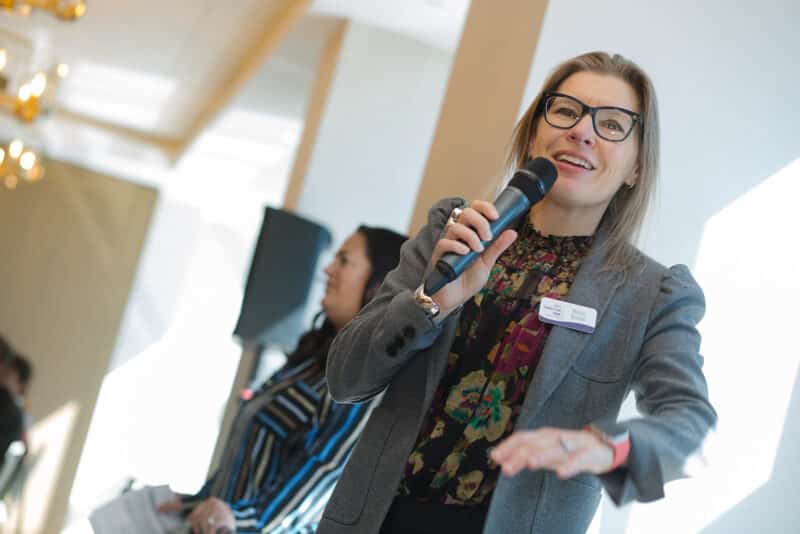
“Please don’t give up and please don’t change the work. The work that you do is so important right now.”
Heidi Binko
JTF CEO and Co-Founder
Representation
Gathering Diverse Stakeholders
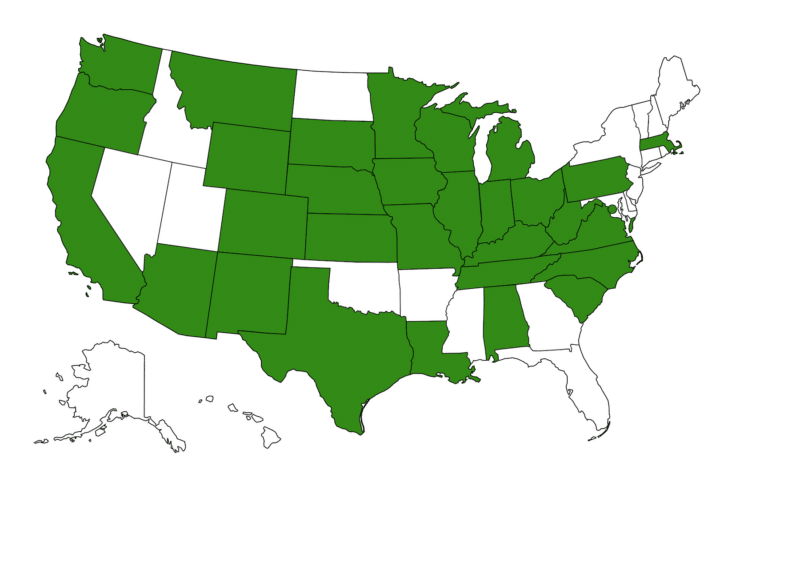
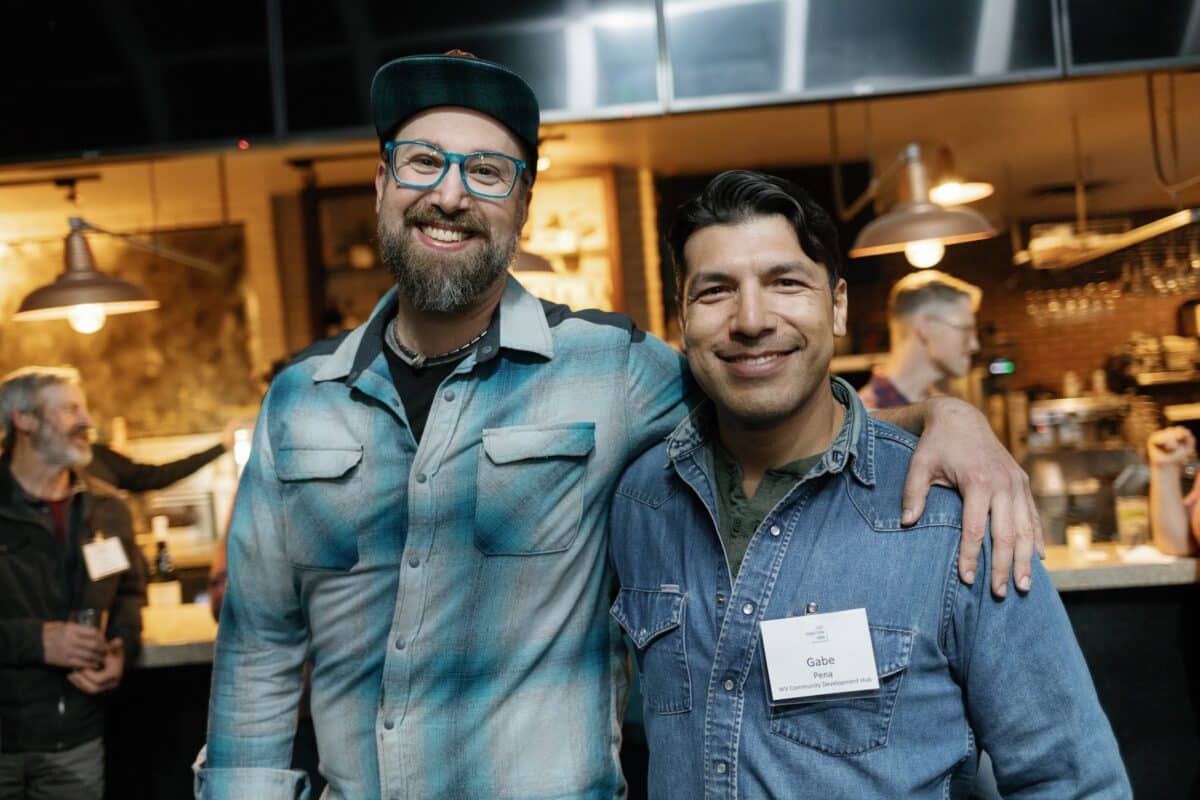
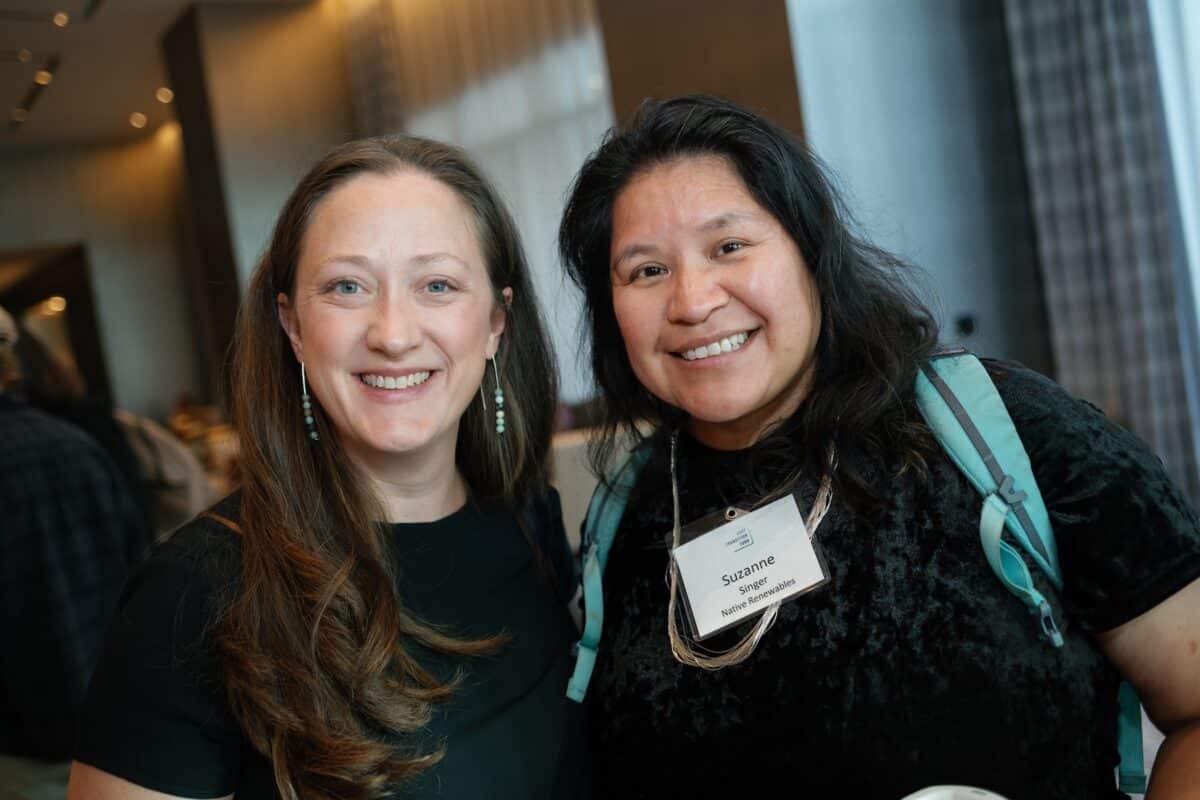
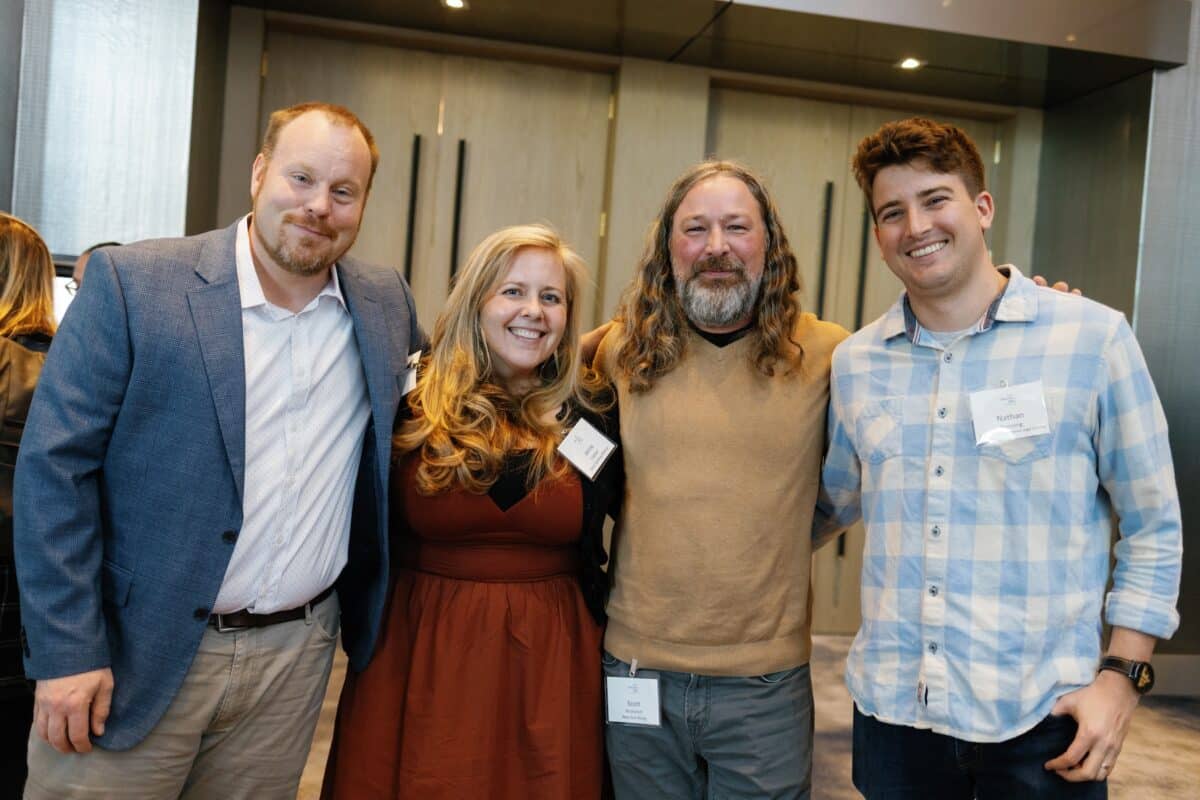
The 2025 Convening had representation from 30 states and every coal-impacted region in the country. Attendees included representatives from state, local and tribal governments, community-based nonprofits, the private sector, academia, labor, and philanthropy–offering a rare opportunity for cross-sector collaboration.
Tribal Representation: Choctaw Nation of Oklahoma, Crow Tribe, Eastern Shoshone, Hopi Tribe, Navajo Nation, Northern Arapaho, Santa Clara Pueblo
Keynote
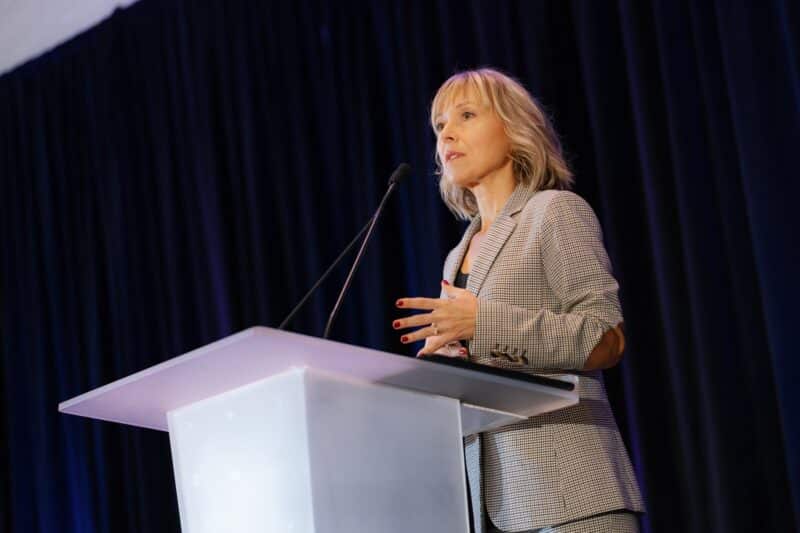
Sarah Smarsh
Journalist and author of Heartland
Award-winning journalist, author, and leading voice on class, rural life, and economic inequality, Sarah Smarsh took the stage as our keynote speaker. Drawing on her upbringing in rural Kansas and her reporting experience, she offered a candid and deeply personal perspective on economic mobility and the lived realities behind policy conversations. Her remarks also underscored the power of storytelling to challenge assumptions and to shape a more inclusive vision for economic transition and opportunity.
Seeing Transition Up Close: Site Visit to Becker, Minnesota
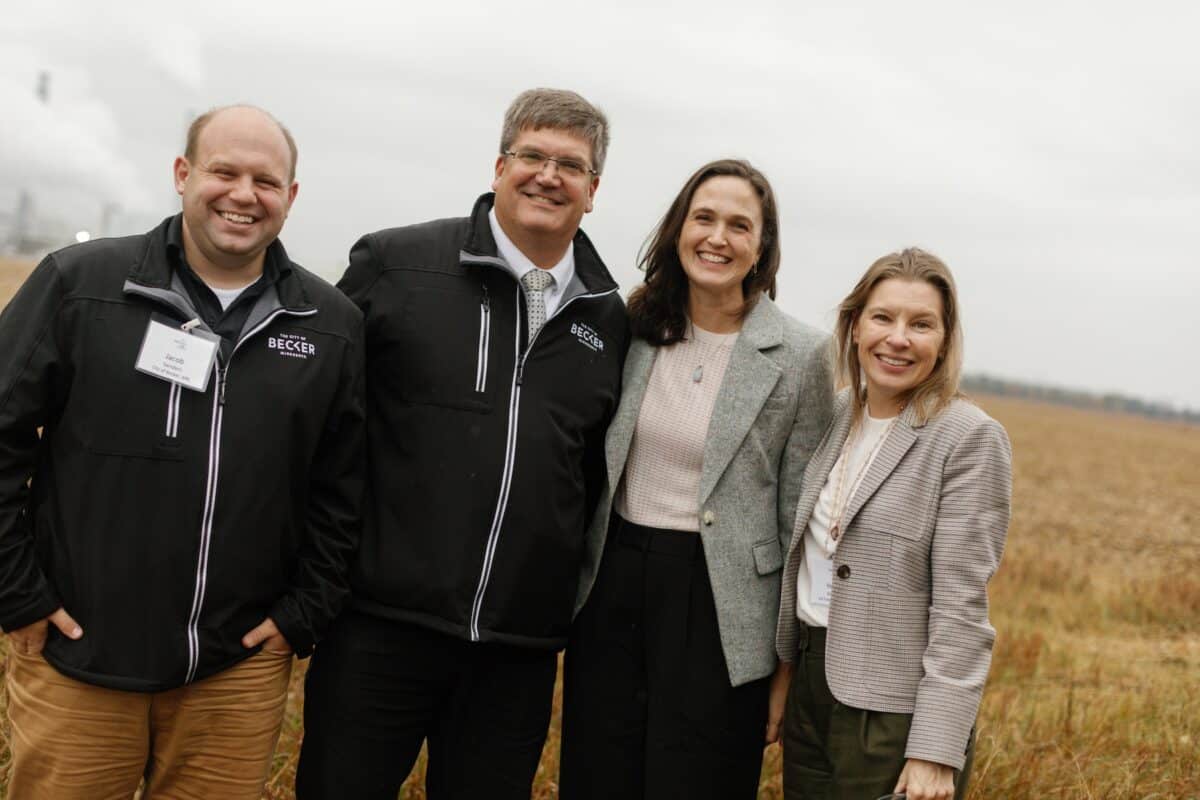
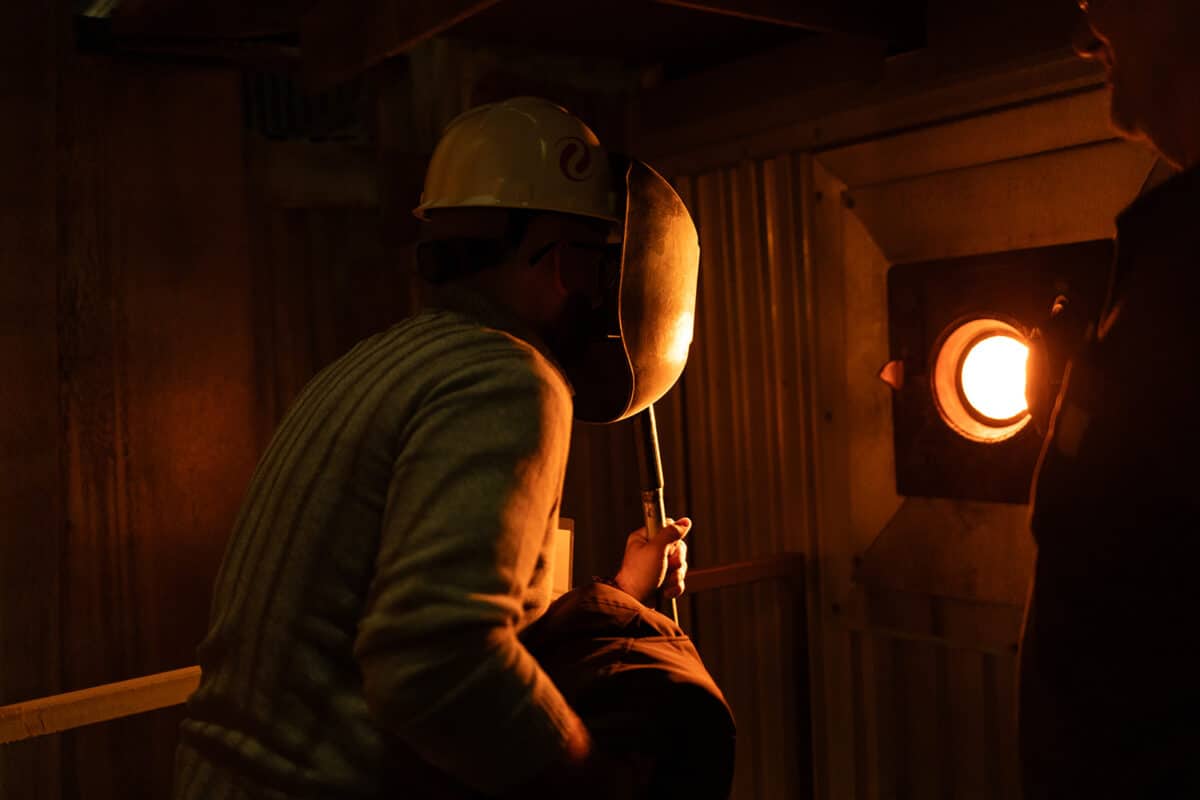
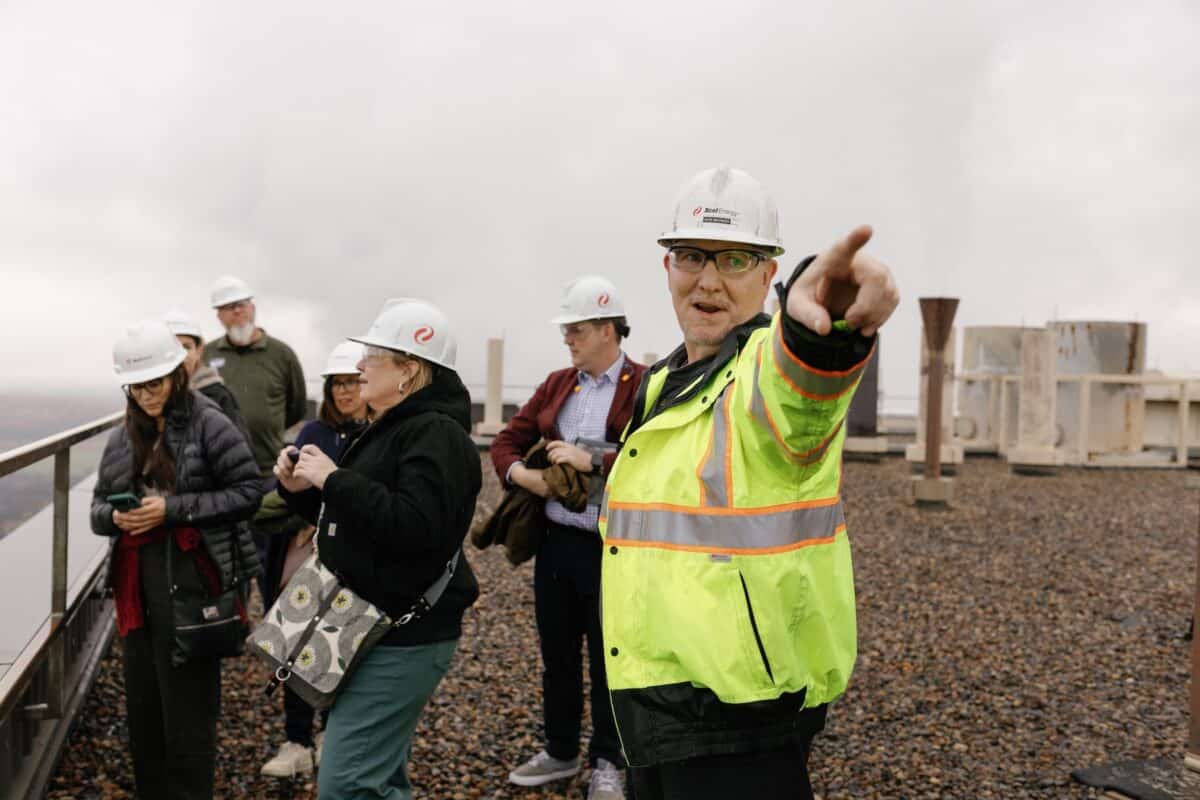
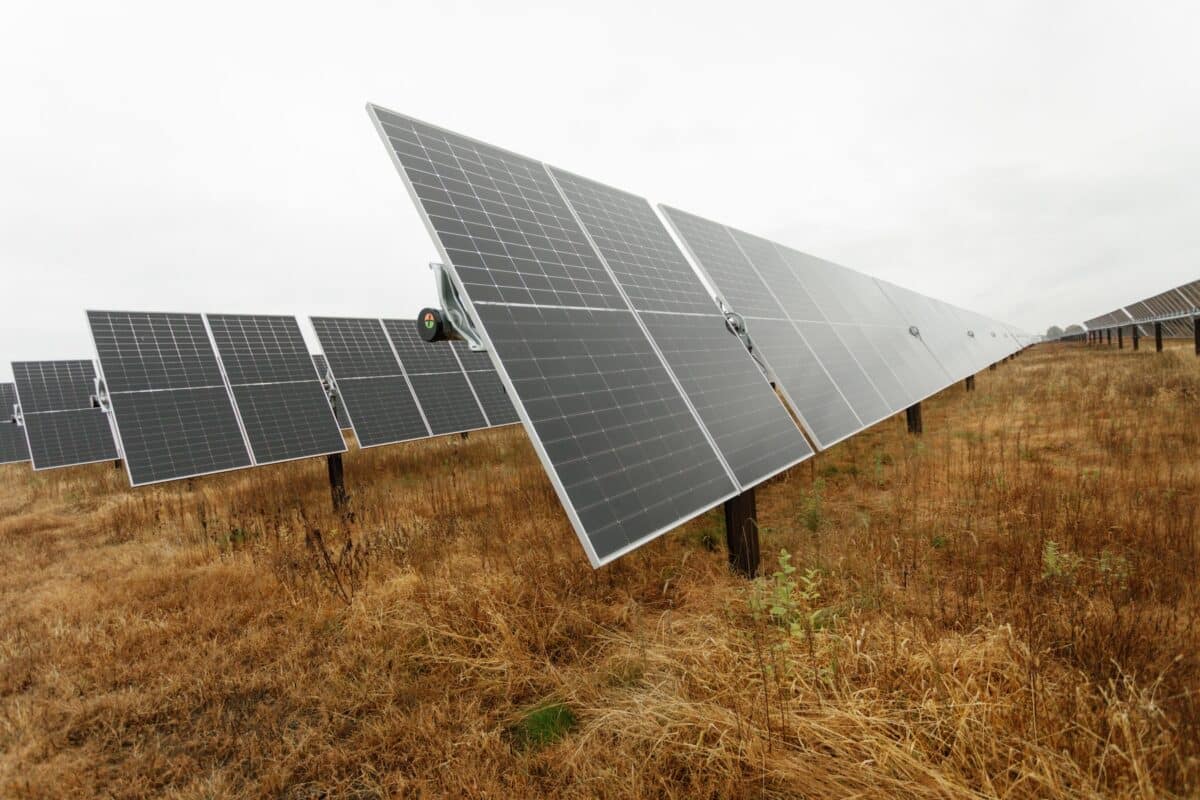
The Convening opened with a site visit to Becker, Minnesota, offering an on-the-ground view of a community navigating economic transition in real time. Beginning in 2018, the Just Transition Fund supported proactive planning efforts ahead of a major plant closure.
It included a tour of Xcel Energy’s partially retired Sherco Generating Station, where we heard from plant leadership about their approach to transition; Sherco Solar, Xcel’s large-scale solar development; and Becker’s growing industrial park, which is contributing to the area’s economic diversification.
These experiences highlighted what’s possible when communities prepare early, offering an up close, nuanced look at a coal-impacted community working to redefine its economic future.
Transition Storytellers
To ground our discussions in real-world experience, and because transition is ultimately about people, we welcomed three attendees to share their personal stories and what change looks like in their communities.
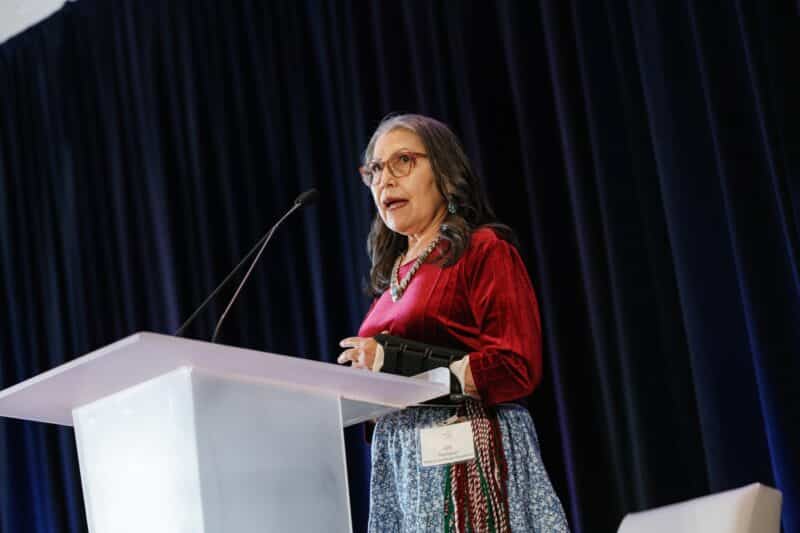
Joy Thompson
Executive Director, Alliance for Navajo Broadband
Joy Thompson illustrated the challenges of unreliable internet, the whiplash of leveraging major broadband funding that was then rescinded, and the creative determination of the Navajo to build not just infrastructure, but opportunity.
“Digital equity is about justice, access, and empowerment.”
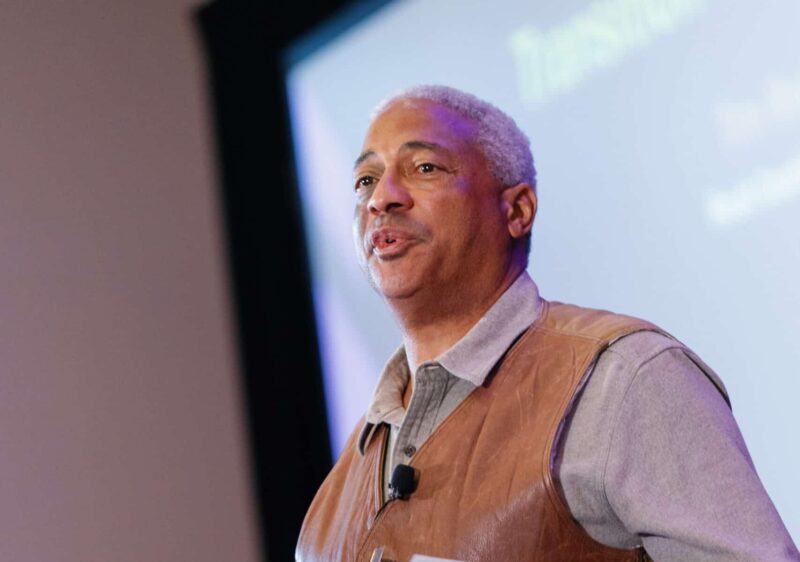
Tim Redmond
Board Chair, Northwest Colorado Innovation Center, and District II Commissioner, Routt County, Colorado
Tim Redmond shared the story of his path to the just transition movement, spurred by the accelerated closure of the Hayden Power Station in 2019, and the power in self-determination for a community navigating closures.
“[We have to] let communities decide who they are, what they want to be, and where they are going.”
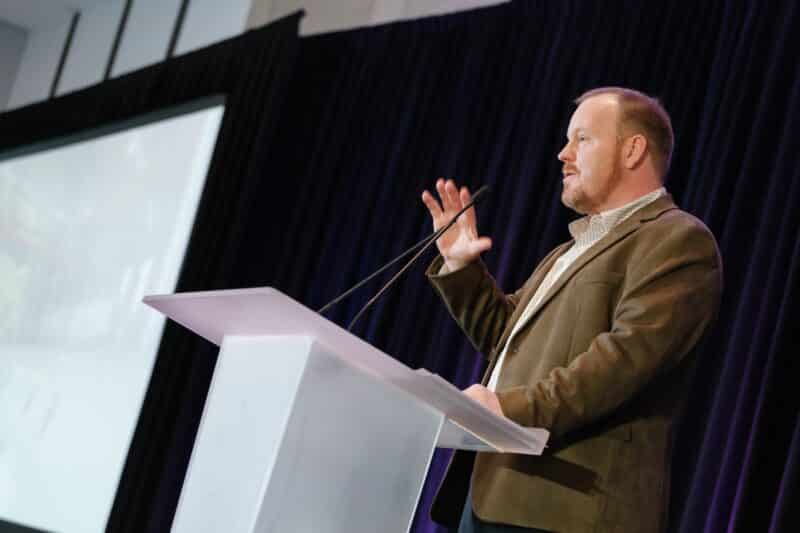
Daniel Rossi-Keen
Executive Director, RiverWise
Daniel Rossi-Keen took listeners back to his picturesque childhood energy community Clearfield, Pennsylvania, winner of the “All American City” award, given annually to the top ten cities in the United States. Now, he is reinvigorating Beaver County, focused on rebuilding the social fabric of the community so it can become more resilient, have more agency, and be less dependent on outside influences as they navigate a coal closure.
“Ultimately, a just transition isn’t only about changing what powers our grid. It’s also about ensuring this transition powers our communities into fuller, more vibrant, and healthier places where all residents can thrive for generations yet to come.”
Convening Highlights
The Convening featured a dynamic mix of expert panels, practical learning, and dedicated time for peer exchange, aimed at deepening partnerships while advancing transition work across regions.
Expert Panelists
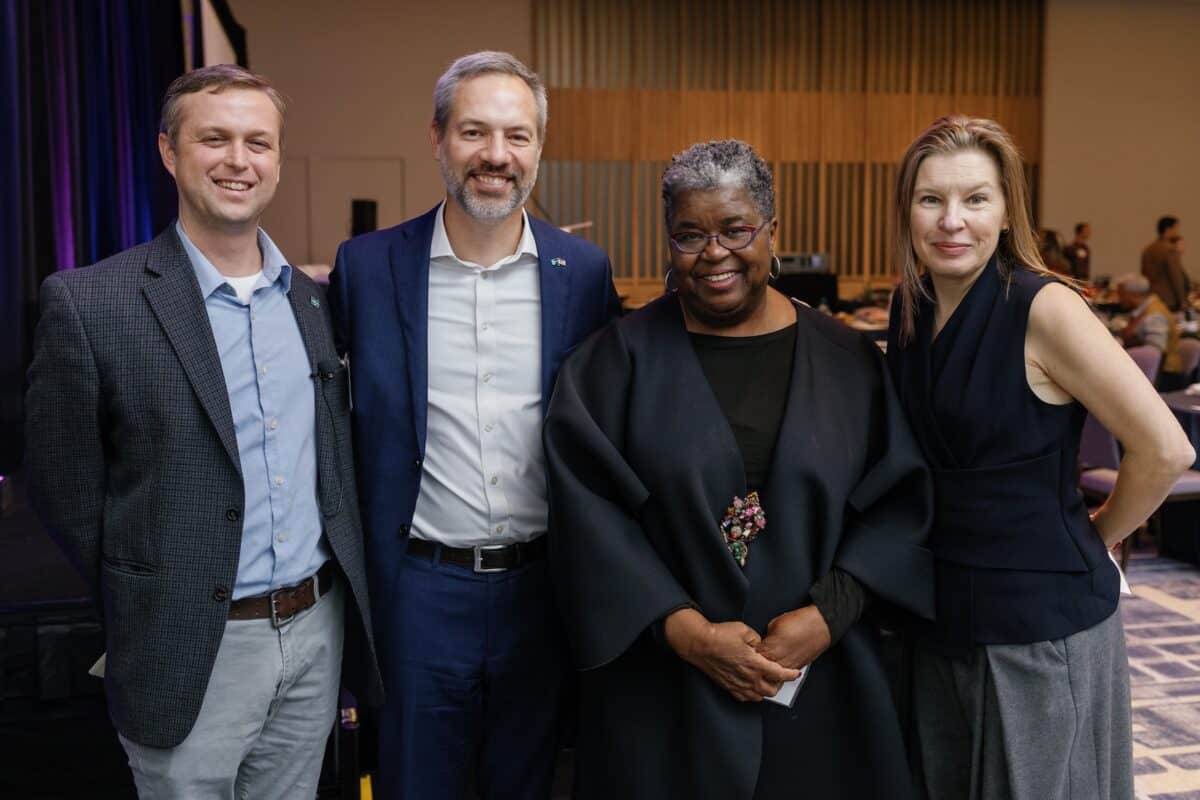
Perspectives from Across the Field
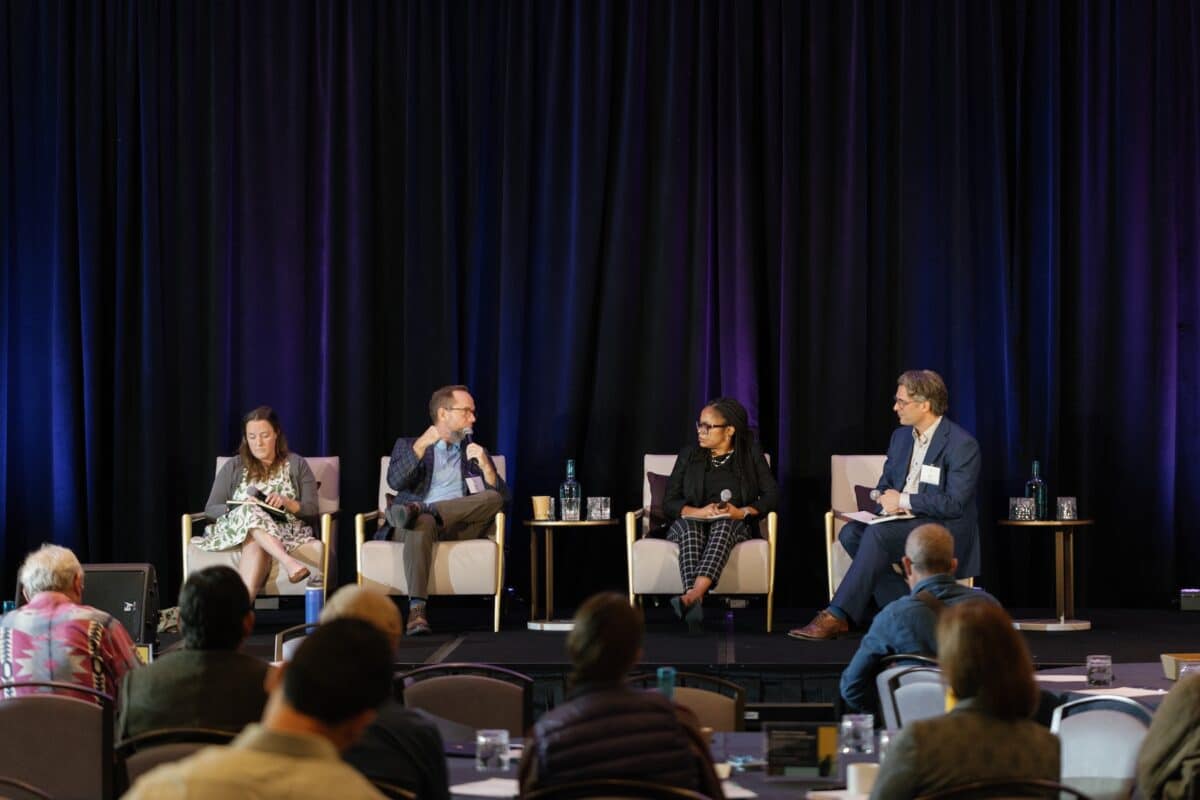
Panelists shared insights on the current landscape, reflected on key lessons from recent years, and explored what it will take to support economic development in coal communities.
Speakers, from left to right: Brandon Dennison, Vice President for Economic & Workforce Development at Marshall University; Donna Gambrell, Chief Executive Officer at Appalachian Community Capital; Matt Varilek, Commissioner of Minnesota’s Department of Employment & Economic Development; Heidi Binko, CEO and Co-Founder of the JTF
Attracting Private Sector Investment
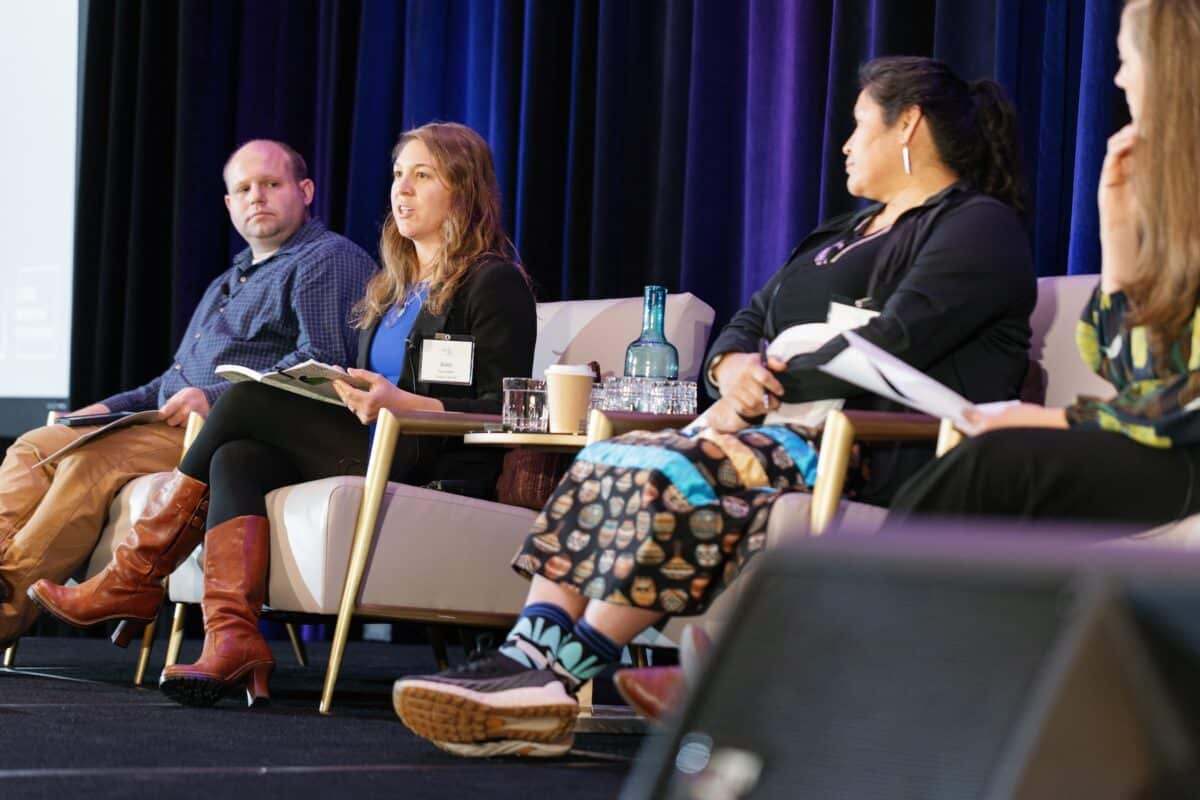
Speakers offered remarks on what makes public-private partnerships successful, including alignment with community values and priorities, and what communities should consider as they seek to attract investment.
Speakers: Sara Chester, Co-Founder & CEO of The Industrial Commons; Adaora Ifebigh, Senior Director of Community Impact at Sol Systems; Kyle Wilson, CEO of Boom KY; Brad Clark, Founder & CEO of Latent Talent Accelerator.
How AI & Data Centers Are Reshaping Local Coal Economies
Panelists explored the potential benefits and drawbacks of data center projects, rooted in their insights as local leaders in communities with firsthand experience.
Speakers: Nikki Forrester, Communications Director at Tucker United; Jacob Sanders, Community Development Director for the City of Becker, Minnesota; Suzanne Springer, Co-Founder & Executive Director at Native Renewables
State Transition Policy
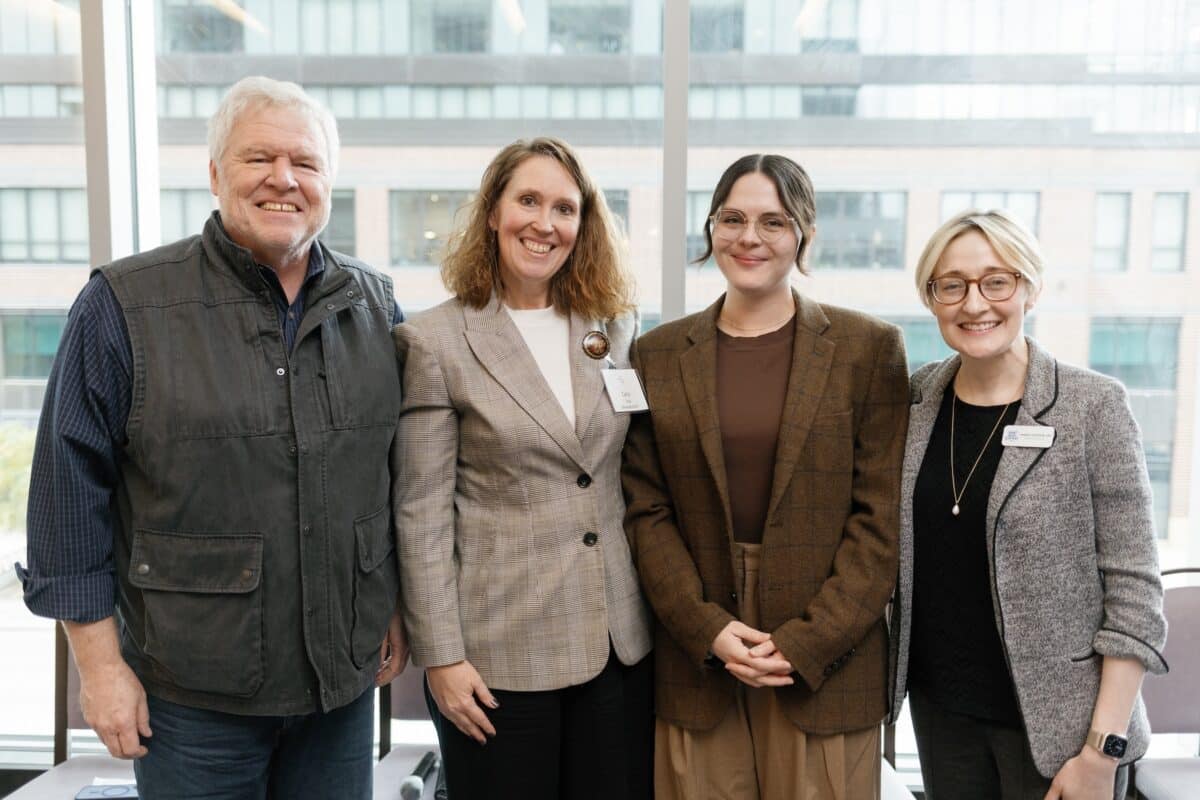
Speakers compared elements of their states’ transition programs and shared guidance on implementing effective transition policy.
Speakers: Wade Buchanan, Director of the Colorado Office of Just Transition; Kayla Lucero-Matteucci, Manager of Finance for the Arizona Governor’s Office of Resiliency; Carla Vita, Director of Energy Transition Office at Minnesota’s Department of Employment and Economic Development.
Learning Labs & Peer Connection
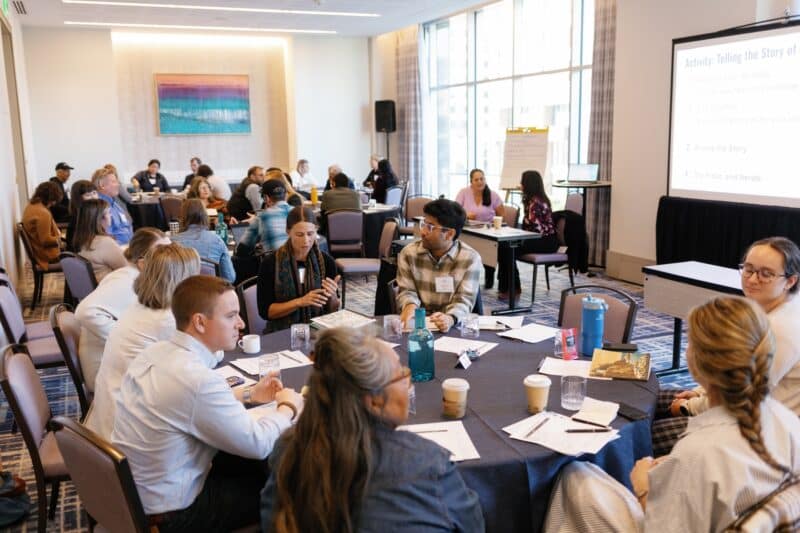
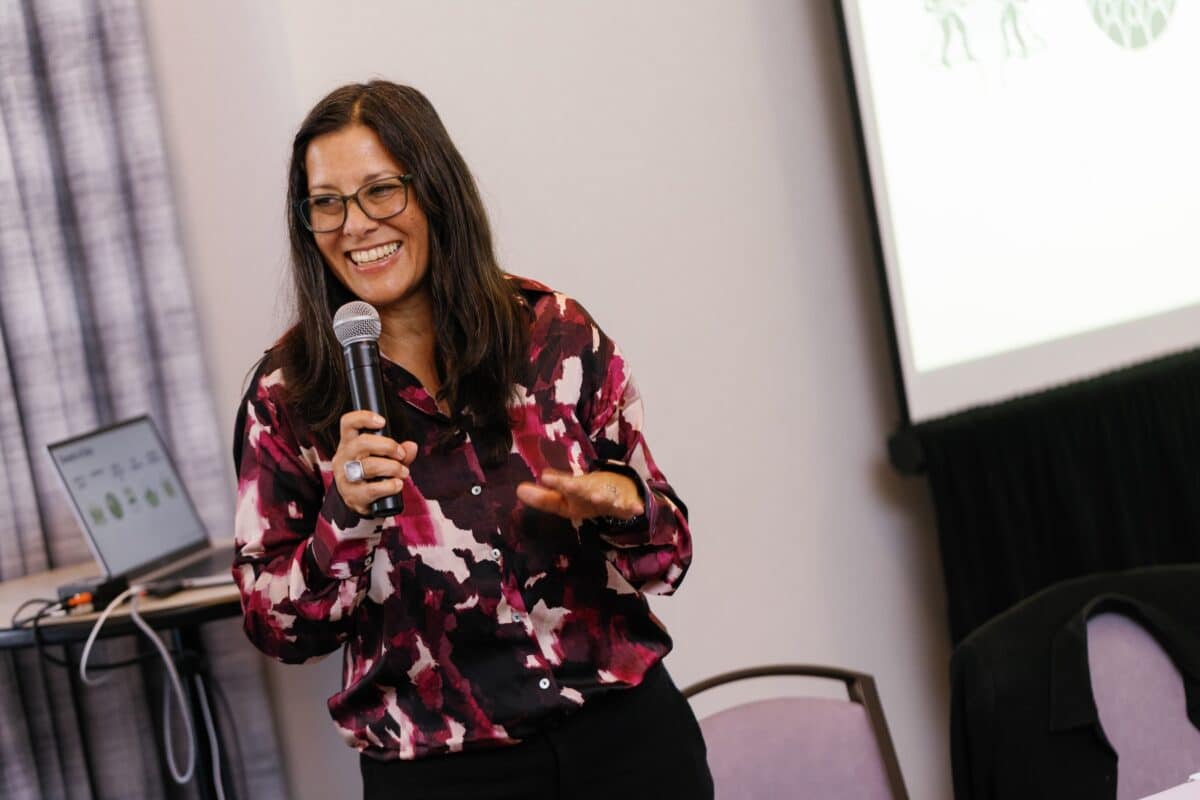
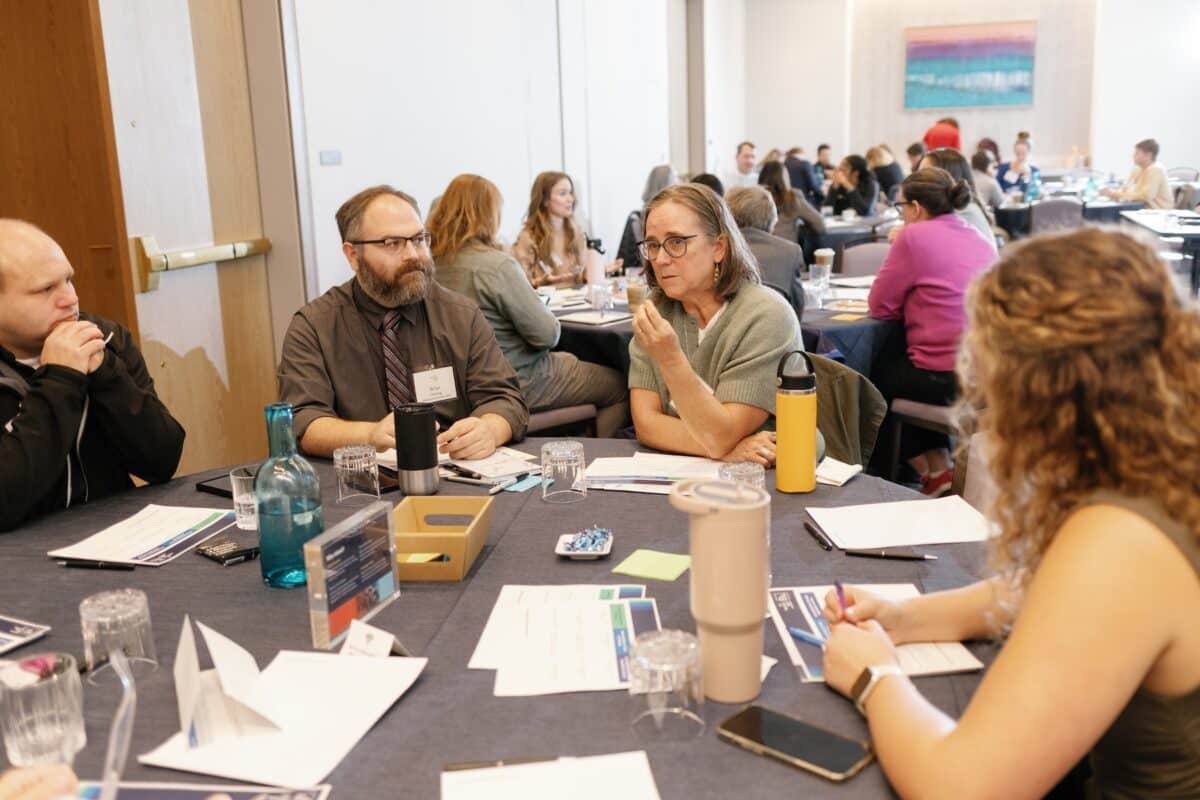
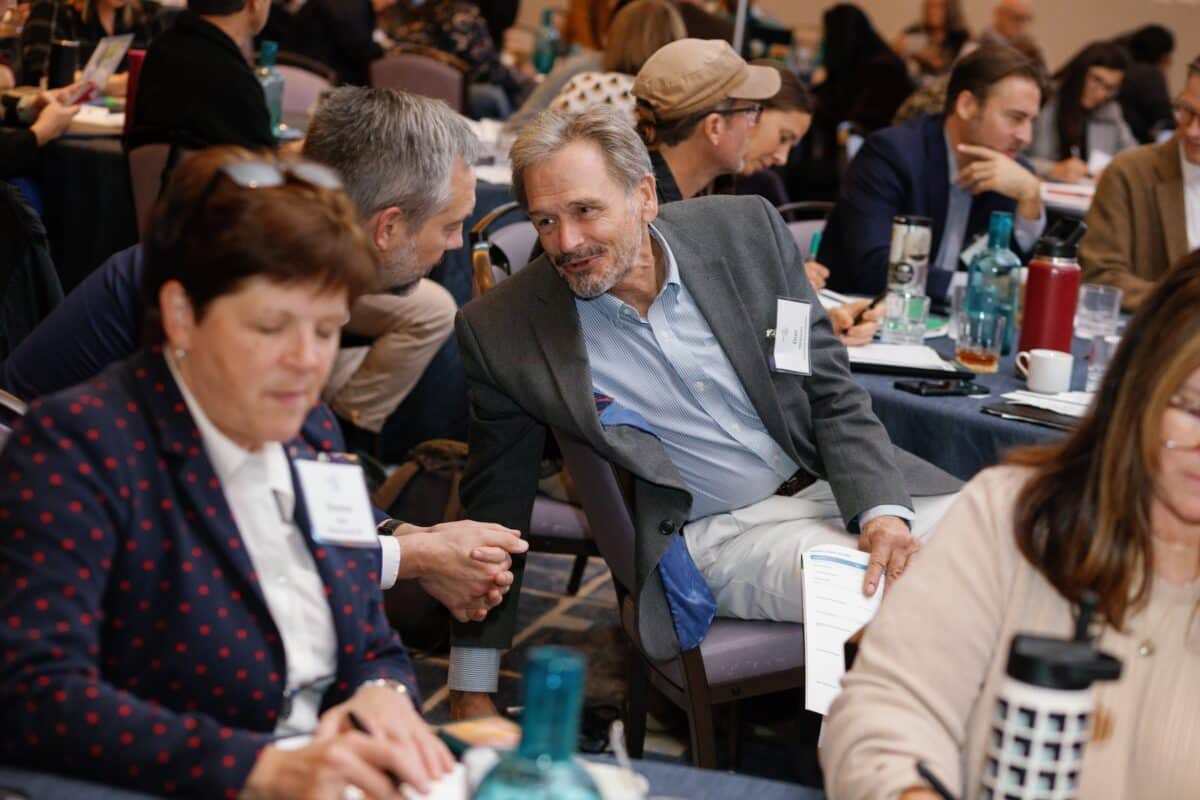
Two central elements of the Convening are our Learning Labs and Peer Connection opportunities. Learning Labs are deep-dive interactive workshops designed for community-based attendees to sharpen skills in high-demand areas, which we pair with intentional relationship building to foster connection and promote the rapid spread of good ideas between coal community practitioners.


Contact us with questions about the Convening or other JTF events.